
A wooden box standing in the rain
A framed chase is a wooden box built on the roof or up the side of the house to hide the metal pipe of a factory-built fireplace. Underneath its stucco or siding it is plywood, studs and insulation, none of which should ever get wet. Corona's yearly rainfall is low, yet most of it lands in a handful of heavy January and February storms, and a chase with one weak spot can soak up a season's worth of trouble in a single night.
Owners usually call us after a storm, when a stain appears on the ceiling or wall near the fireplace, when rust shows up on the firebox floor, or when the room smells damp for days afterward. The shingles are the first suspect, and they are rarely the cause.
Where chase water actually gets in
On a factory-built fireplace there are five usual entry points. Most leaks we trace come through one or two of them.
- The lid. The sheet metal chase top rusts or sags, holds water, and lets it through to the plywood below.
- The storm collar. The metal ring around the pipe above the lid loosens or its sealant cracks, so water runs down the outside of the pipe into the chase.
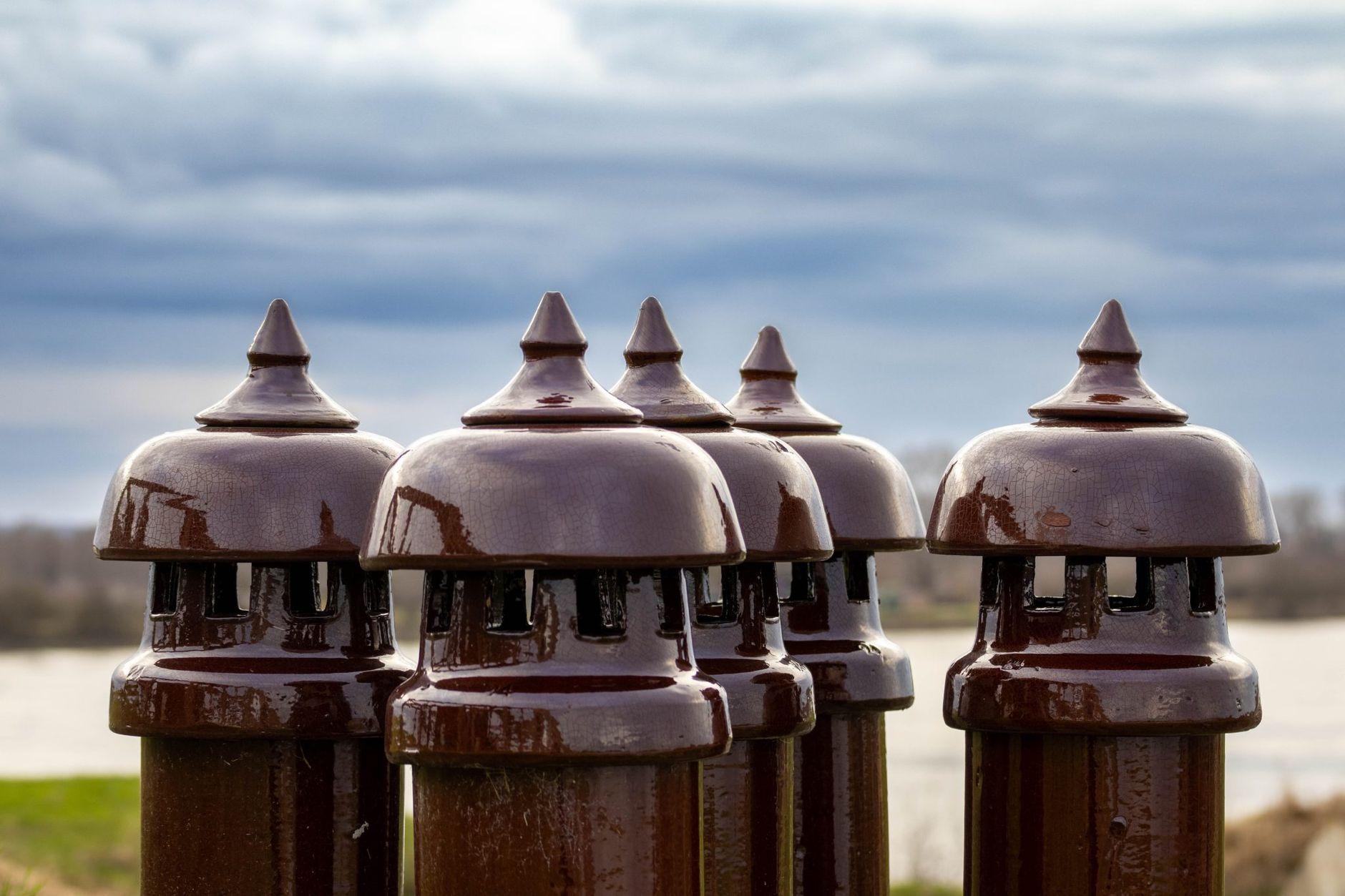
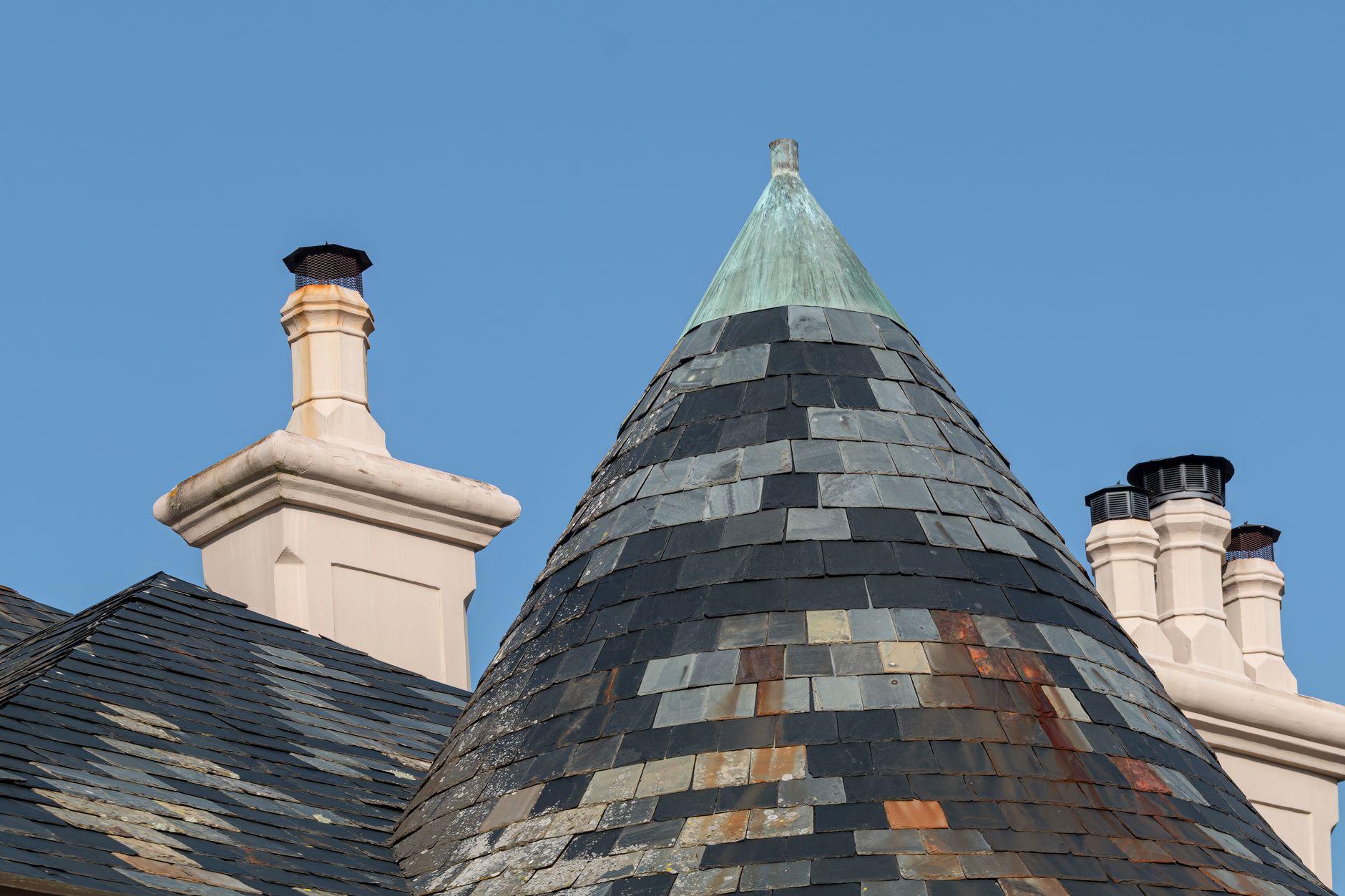
- The cap. A missing or wrong cap lets rain straight down the pipe and onto the firebox.
- Roof metal at the base. Where the chase meets the roof, the step and counter pieces lift, rust or were never fitted right.
- The skin. Cracked stucco, open siding joints or failed trim around the chase let wind-driven rain into the wall.
A chase on the uphill side of a wide roof slope gets one more: water and debris pile up behind it. A small peaked diverter built behind the chase, which roofers call a cricket, splits that flow around both sides.
Why we trace before we price
Each entry point has a different fix, and a leak blamed on the wrong one comes back with the next storm. So a leak visit starts with tracing. We look at the lid, collar, cap and roof metal from the roof, open the attic or chase cavity where we can reach it, follow the stain trail upward, and check the moisture in the framing. If tracing still leaves doubt, a hose test follows: water on a single section, a pause, then a look inside before the next section gets wet.
The result is a written list: where water gets in, how far it has gone, and what has to be replaced.
What the work costs
These are our installed ranges for the jobs that come up most on chase leaks:
| Chase leak work | Price |
|---|---|
| Entry found and stopped, with wet material replaced | $545 to $3,250 |
| Peaked diverter on the high side of the chase | $435 to $980 |
| Diverter with all new roof metal at the chase base | $650 to $1,600 |
A listed cap fitted to the top of the pipe is quoted after we measure.
The leak range is wide on purpose. A loose storm collar resealed and a cap replaced sit near the bottom. A lid that rusted through years ago, leaving soft plywood, wet insulation and a rusted firebox shell, sits the biggest. We tell you which end you are near once the trace is done.
Once you know where the stain shows up, tell us the room, the wall and whether it appears with every storm or only the big ones. That narrows the trace before we arrive.
The part we watch most: the firebox shell
Water that gets into a chase ends up at the bottom of it, which is the top and sides of the factory-built firebox. Steel that stays wet rusts. On some older units we find the outer shell rusted thin, and on a few the inner box has started to go too. A firebox in that state is no longer the tested part it was, and it is not safe to burn in. When we find that, the report says so, and we price the choices: a listed insert if the box accepts one, a new unit, or closing the fireplace off.
Stopping it from starting again
Most chase leaks we see started with a lid that was plain galvanized steel. When we replace one, it goes back as stainless, shaped to shed water, with a raised collar at the pipe and edges that turn down clear of the siding. We reseal or replace the storm collar at the same time, and we fit the cap the fireplace maker lists for that model. The chase top post goes into that part in more depth.
Leaks and a home sale
A stained ceiling near the fireplace is one of the first things a buyer's inspector notices. If you are selling, tracing and fixing the leak before listing gives you a dated record of the repair to hand over. If you are buying, a camera visit that covers the chase and attic tells you how long the water has been getting in. Our home purchase post covers that side.
Where we work
We trace chase leaks across Corona, Anaheim, Tustin and Diamond Bar. Details are on our leak repair, chase cover and flashing repair pages.
A stain that grows after each storm will not fix itself. Open our contact page, say where the water shows, and we will arrange the trace.
Rather Have the Unit Identified and Priced?
Danforth Chimney Care finds the label plate, checks the unit against its manual and lists the parts it needs with prices. Visits run from Corona to Anaheim, Tustin, Diamond Bar and the towns between.