
One line in the home report
Buyers in Corona often see the fireplace reduced to a single sentence in their home inspection: something like "factory-built fireplace present, recommend evaluation by a specialist." That line is honest. A general inspector covers the whole house in one visit and is not equipped to judge a metal firebox, the pipe running through the attic, or the lid on a framed chase. The sentence is a hand-off, and the contingency clock keeps running while it sits there.
This post is for buyers and their agents deciding whether to book that specialist visit, what it should cover on a factory-built unit, and what the findings are worth in a negotiation.
What makes a prefab fireplace different on a sale
A brick chimney ages slowly and visibly. A factory-built fireplace hides most of its wear. The parts that matter on a sale are mostly out of sight:
- Refractory panels that look fine with a fire in front of them but are cracked through behind the grate.
- The pipe, which can have a separated joint or rust where water has run down from a bad lid.
- Firestop spacers in the attic, where a past roof or insulation job may have packed material too close to the pipe.
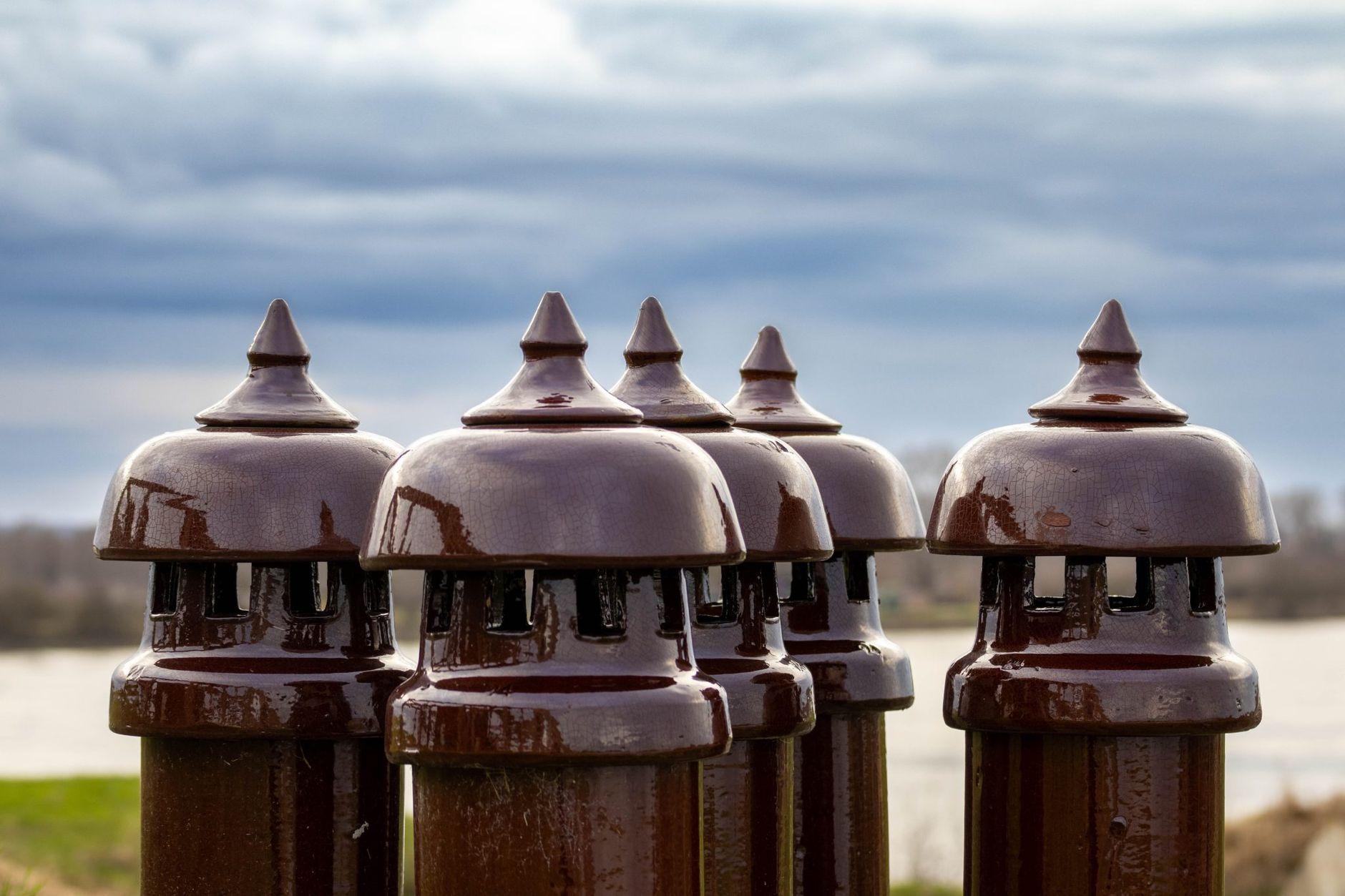
- The chase top, which has often been leaking for years before anyone inside notices.
- Changes made later, such as a gas log set in a box not listed for one, or a cap swapped for a generic part.
None of these show in a walk-through. Most show quickly on a camera visit.
Why the camera visit fits a sale
The fire code's chimney standard, NFPA 211, treats a change of ownership as one of the moments that justify a fuller inspection than a routine annual look. For a factory-built fireplace, that fuller visit means the camera goes up the metal pipe from inside, we check the attic passage around the pipe, and we look at the chase top, storm collar and cap from the roof. The rating plate gets recorded so the report names the exact model.
With us that visit is $380 per fireplace. A seller who only wants a quick read before listing can book the $53 visual look instead, and we say in writing if anything we see calls for the camera.
What a finding is worth
Most findings on a prefab unit come with a known fix, so they translate into a repair request or a credit rather than a deal problem. From the cheap end to the costly one, roughly:
- A leaking chase: finding and stopping the water runs $545 to $3,250.
- Cracked panels or a stuck damper: a written price once we know the model and whether the part is still made.
- A model with no parts left, or a burned through firebox floor: the unit needs replacing or retiring, and we say so plainly.
- A missing or wrong cap: a listed replacement is quoted after we measure.
That last group is where buyers most need the report in hand before the window closes, because the options from there cost real money. Our gas insert or new box comparison covers what those options look like.
If you are in contract now, send the address, the date your contingency ends and who should get the report. We plan the visit around that window and copy the people you name.
Who gets the report
Whoever books and pays decides where the report goes. In practice that is usually the buyer, with copies to the buyer's agent and, once the buyer agrees, to the listing agent and seller. Lenders and insurers sometimes ask for it too. Every copy is the same document: the written findings, the photos, the camera footage and the model details.
Sellers who book before listing control the first copy themselves. They can fix what we find, price it into the asking figure, or hand the report to buyers as part of disclosures. Our home sale page sets out who receives what on each side, and the buyer's agent page covers access and timing from the agent's seat.
Gas units count too
A house with a gas fireplace rather than a wood one still deserves the visit. Many Corona tracts had their original wood boxes converted with a log set years ago, and the question on a sale is whether that box was ever listed for gas at all. We also check the pilot assembly, the valve area under the grate, the glass seal on sealed units, and the vent termination on the roof or outside wall. A gas unit that lights and looks fine can still be venting into a chase with a rusted lid, or burning in a box the maker never approved for it. Both are findings a buyer wants in writing before the contingency closes, and both have a clear fix with a price attached.
After closing
Buyers who moved ahead with findings on the list often book the repair visit soon after closing. The report already names the parts, so that visit is mostly about fitting them. If a cap or chase top was the issue, we usually do the roof work first, since water is the problem that grows while you wait.
Where we inspect
We are based in Corona and work across Anaheim, Tustin and Diamond Bar. More on the visit itself is on our Level 2 inspection page.
Buying a house with a metal fireplace and holding a report that says see a specialist? That is us. Start on the contact page with the address and the contingency date.
Rather Have the Unit Identified and Priced?
Danforth Chimney Care finds the label plate, checks the unit against its manual and lists the parts it needs with prices. Visits run from Corona to Anaheim, Tustin, Diamond Bar and the towns between.