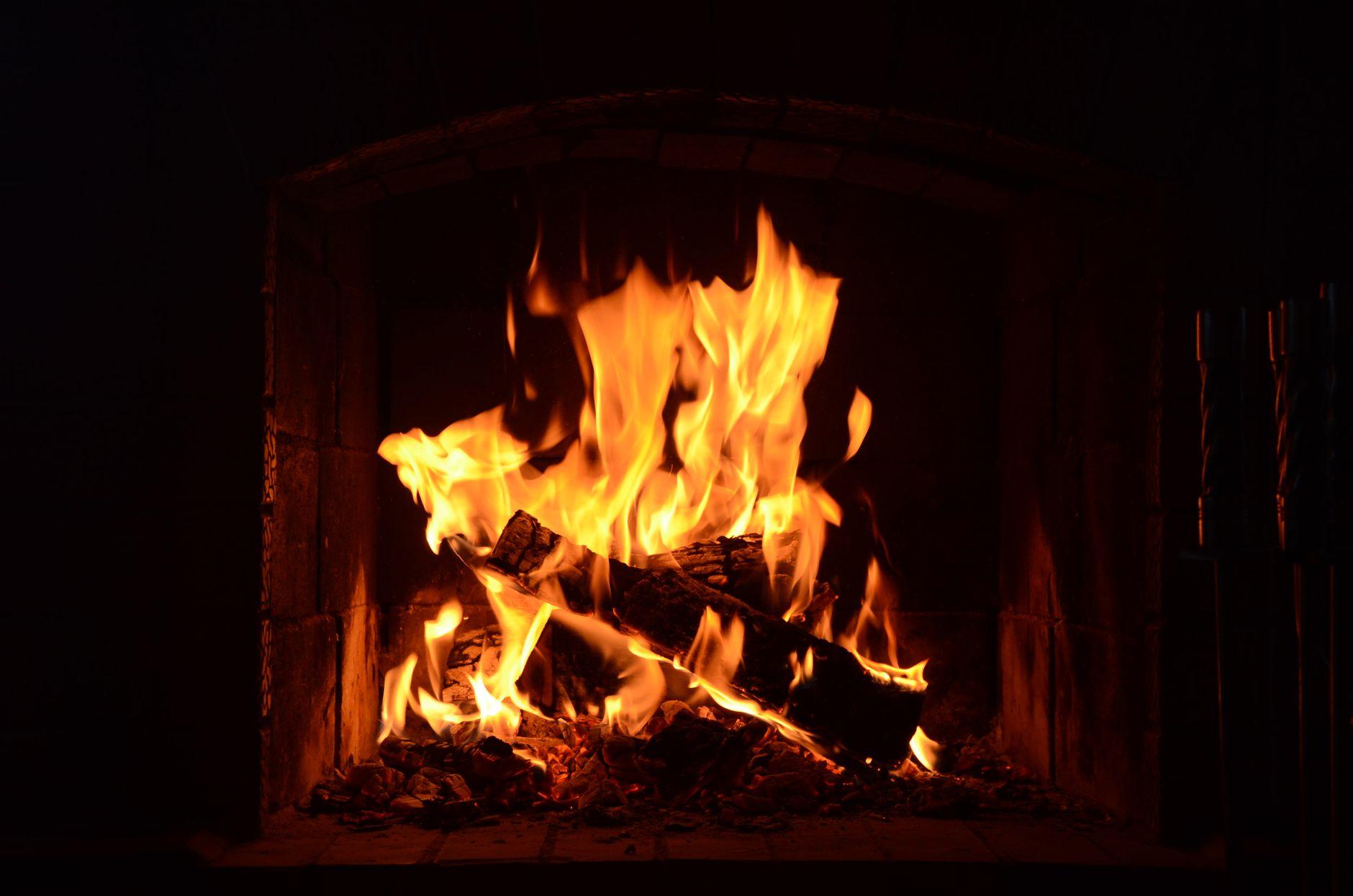

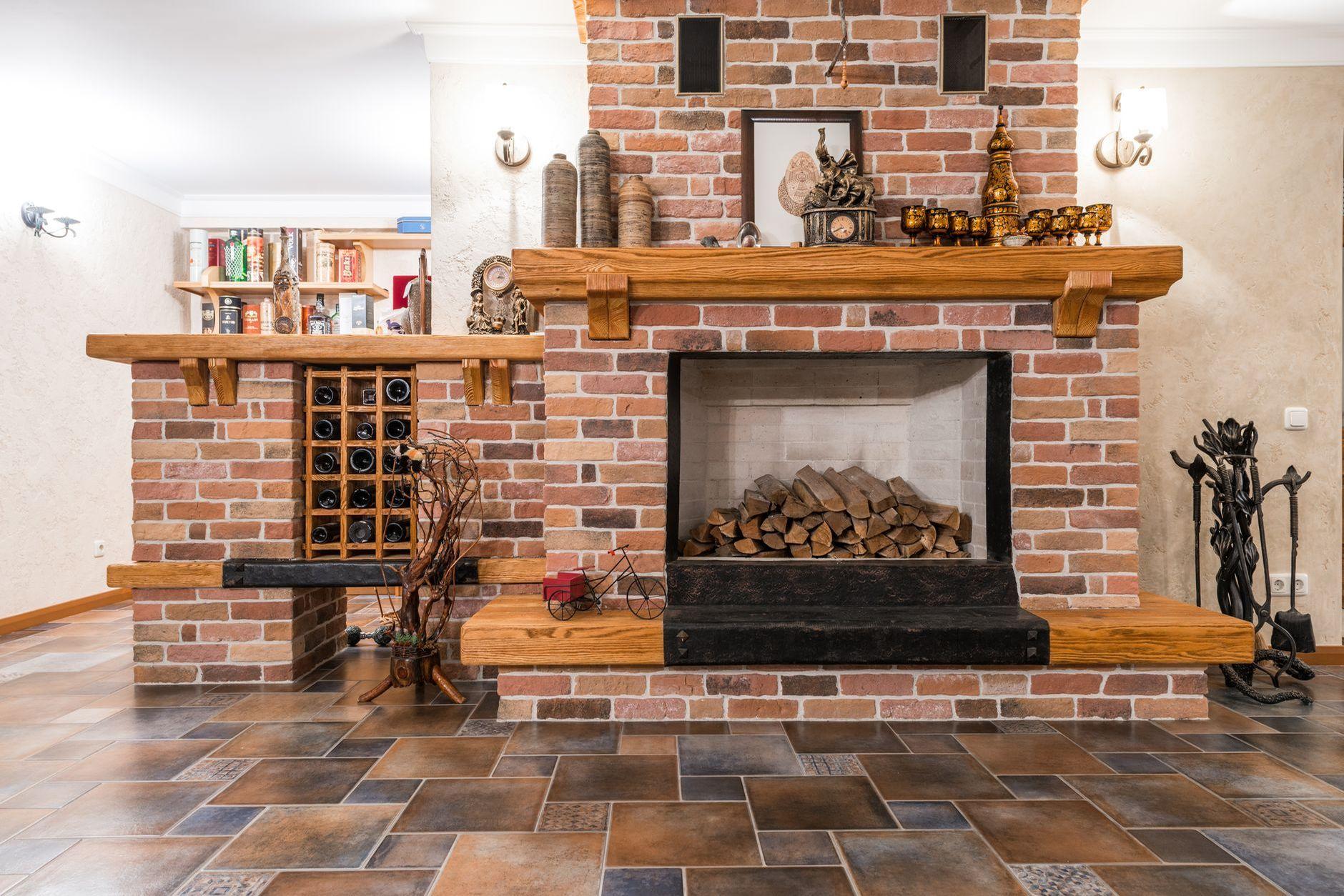
A wood box at the end of its run
Factory-built wood fireplaces in Corona tracts are now thirty and forty years old. Many still work. Plenty do not: the panels are cracked past use, the damper has rusted shut, and the maker stopped making parts years ago. When a repair no longer makes sense, owners come to the same fork. Put a gas insert into the box you have, or take the box out and fit a new factory-built unit.
Both routes give you a working fireplace again. They differ in cost, in how much of the wall gets opened, and in what the old unit's listing allows. Here is how we lay them out for owners.
Route one: a gas insert in the old box
An insert is a sealed gas firebox that slides into the existing opening. Its own vent liners run up through the old metal pipe to a new termination on the roof, so the old pipe becomes a chase for the new vent rather than the vent itself. The wall, the hearth and the mantel stay as they are, and a surround panel closes the gap between insert and opening.
The catch on a factory-built fireplace is the listing. An insert can only go into a prefab box when two things line up: the insert is listed for use in factory-built fireplaces, and the fireplace maker does not forbid it. Some makers name approved inserts by model. Some say nothing. A few rule them out. The rating plate and the manual decide, and we check both before we quote.
What you gain:
- No wall demolition, so no drywall, stone or tile repair.
- A sealed unit that draws its air from outside, so room air stays in the room.
- Heat that stays in the house instead of going up the pipe.
- Lighting from a switch or remote.
What you give up is the open wood fire.
Route two: a new factory-built unit
The second route removes the old box and its pipe and fits a new listed fireplace in the same framing. That can be a new wood unit, a new gas unit, or a direct vent gas fireplace with a glass front. New units come with their own pipe system, so the old pipe almost always comes out with the box.
What you gain:
- A unit built and listed as a whole, with current parts support.
- A choice of sizes and styles, sometimes a larger viewing area.
- A new wood unit, if keeping a real fire matters to you.
What it costs you is the wall. The face around the opening comes off, the framing gets checked and often adjusted for the new unit's clearances, and the finish goes back on. On a stone or tile face, that rebuild can be a large share of the bill.
Burning rules in this part of Riverside County
Corona falls under South Coast air district rules. On declared no-burn days in the cooler months, wood fires are off, and gas units are not affected. Owners who light the fireplace most winter evenings often find that rule alone settles the choice. If a real wood fire matters more, a new listed wood unit keeps that option for the days burning is allowed.
What each route costs
Our installed range for a gas insert fitted to a fireplace you already own is $2,700 to $5,450, with the vent liners and hookup included. The spread comes from the insert you choose, how tall the pipe run is, and whether gas has to be brought to the hearth.
A new factory-built unit in the old opening has no published figure, because the cost of opening and refinishing the wall varies so much from house to house. We price it in writing once we have seen the face, the framing and the roof. If you want the fireplace in a different room altogether, a direct vent gas fireplace on a new wall runs $4,350 to $8,700 with us.
Before either quote, tell us the maker and model from the plate and which route you are leaning toward. We check the listing and the insert approvals before the visit, so the visit is about measurements rather than paperwork.
How we help owners pick
Most choices come down to four questions:
- Does the old box's listing allow an insert at all?
- Do you want a real wood fire, or heat with less upkeep?
- How much do you like the current face and mantel?
- Is the old pipe and chase top in good enough shape to carry a new vent?
If the listing rules out an insert, the decision is made. If it allows one and the face is something you want to keep, an insert usually wins on cost and mess. If the face was going to be redone anyway, a new unit often makes more sense.
The roof part of the job
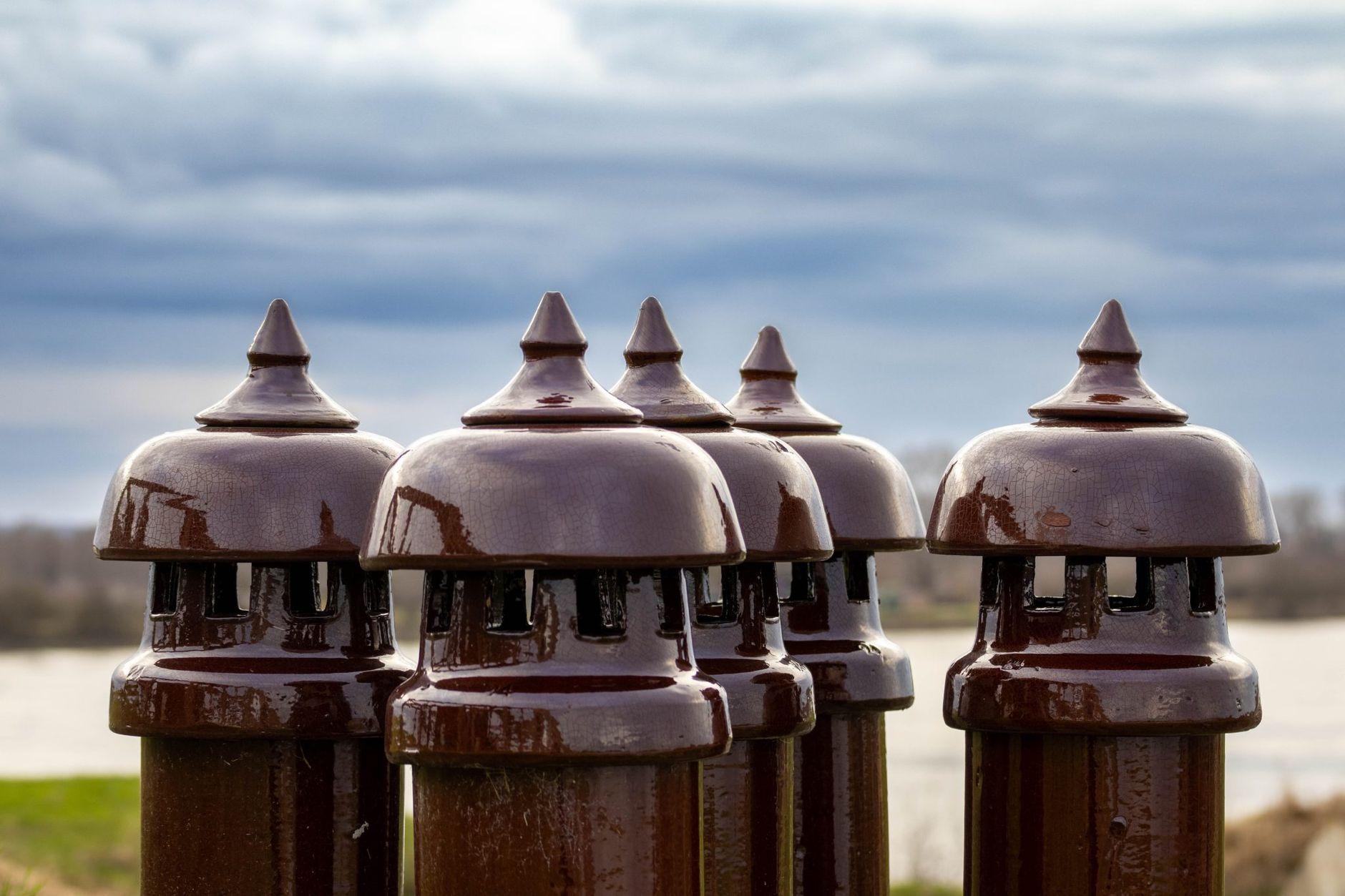
Either route ends at the top of the chase. The chase top, storm collar and cap all have to suit the new vent. A rusted lid should come off during the same job rather than left to leak onto a new appliance. Our chase top guide covers what we look for up there.
Next move
For more on each option see fireplace inserts, gas fireplace repair and fireplace remodel. We work across Corona, Anaheim, Tustin and Diamond Bar.
If the old box has given up, our contact page is where to start. Say which way you are leaning and we will check what the plate allows before we come out.
Rather Have the Unit Identified and Priced?
Danforth Chimney Care finds the label plate, checks the unit against its manual and lists the parts it needs with prices. Visits run from Corona to Anaheim, Tustin, Diamond Bar and the towns between.